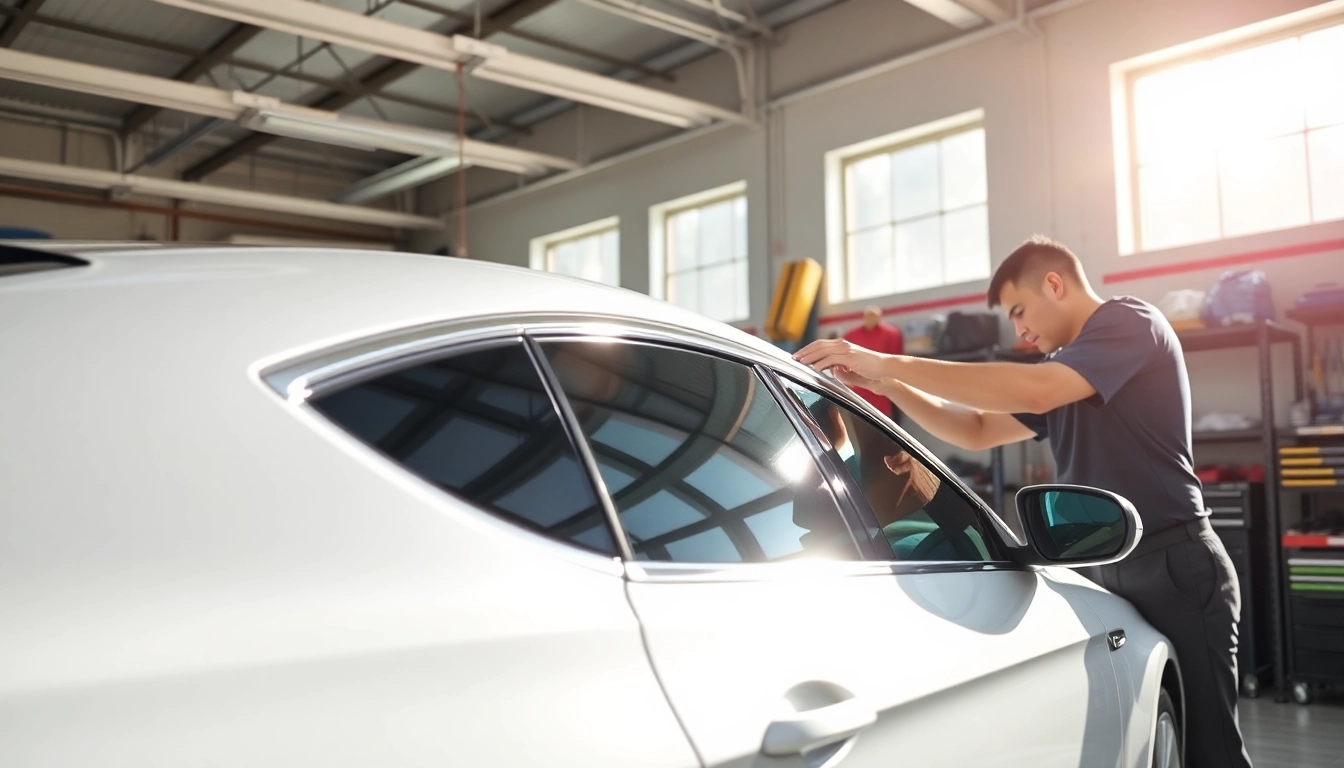
Understanding Auto Window Tint Near Me
If you’re looking to enhance your vehicle’s appearance, comfort, and safety, finding reliable auto window tint near me is a great place to start. Window tinting is more than just a cosmetic upgrade; it offers numerous benefits, making it a popular choice among vehicle owners. This guide will help you navigate the world of auto window tinting, encompassing its benefits, types, and how to choose the right one for your needs.
Benefits of Auto Window Tinting
Auto window tinting provides a range of advantages that can enhance your driving experience. Here are some of the primary benefits:
- UV Protection: Window tinting can block up to 99% of harmful ultraviolet rays, protecting your skin and the interior of your vehicle from sun damage.
- Heat Reduction: Tinted windows can significantly reduce heat inside your vehicle, making it more comfortable, especially during hot summer days.
- Glare Reduction: Tints minimize glare from sunlight and headlights, resulting in improved visibility and reduced eye strain while driving.
- Privacy and Security: Darker windows can provide privacy for passengers and belongings while deterring would-be thieves.
- Style Enhancement: Window tinting improves the overall aesthetic of your vehicle, making it look sleek and sophisticated.
Types of Window Tint Available
When searching for auto window tint near me, it’s essential to understand the different types of window tint available. They come in various materials and styles, each offering unique benefits:
- Dye-Based Tints: These offer a basic level of privacy and heat reduction. However, they tend to fade over time.
- Metalized Tints: Comprising metallic particles, these tints provide better durability and heat rejection but can interfere with electronic devices.
- Carbon Tints: A more advanced option, carbon tints offer superior heat rejection without fading and are less reflective than metalized types.
- Ceramic Tints: The best for performance, these tints block heat and UV radiation without affecting visibility or signal interference.
Choosing the Right Tint for Your Vehicle
Selecting the right tint for your vehicle involves considering various factors, including personal preferences and local regulations. Here are some steps to guide your decision:
- Research Window Tint Options: Investigate the types of tints available and their respective benefits.
- Check Local Laws: Understand the legal restrictions on tint darkness and reflectivity in your area.
- Consider Your Needs: Think about factors like UV protection, privacy, and aesthetics to determine which features are most important to you.
- Consult with Professionals: Speak to local tinting experts to get recommendations based on your vehicle type and lifestyle.
Finding Services for Auto Window Tint Near Me
Once you’ve made the decision to tint your vehicle’s windows, the next step is to find a reputable service provider. Here’s how to ensure you make the right choice.
Researching Local Tinting Companies
To find quality auto window tinting services, conduct thorough research on local companies. Consider the following methods:
- Online Search: Use search engines to find auto window tinting businesses in your area. Take note of their websites and the services they offer.
- Social Media: Check platforms like Facebook and Instagram where businesses often showcase their work and interact with customers.
- Referrals: Ask friends, family, and coworkers for recommendations based on their experiences.
Evaluating Customer Reviews
Reviews are a valuable resource when selecting a window tinting service. Look for:
- Overall Ratings: Focus on businesses with consistently high ratings across multiple platforms.
- Detailed Feedback: Pay attention to reviews that mention specifics about quality, customer service, and durability of the tint.
- Response to Complaints: A company that responds gracefully to negative feedback demonstrates commitment to customer satisfaction.
Understanding Pricing Models
Costs for window tinting can vary significantly based on several factors, including:
- Type of Tint: Higher-quality materials usually come with a higher price tag.
- Size of Vehicle: Larger vehicles require more material, thus increasing the cost.
- Warranty & Service: Companies that offer extensive warranties may charge more but provide added peace of mind.
Installation Process of Auto Window Tint
Understanding the installation process can help you set expectations and make the most informed decision regarding your window tinting project.
DIY vs. Professional Installation
Choosing between DIY and professional installation has significant implications:
- DIY Installation: While it’s often cheaper, achieving a flawless look requires a steady hand and experience. Mistakes can lead to bubbling or peeling.
- Professional Installation: Professional installers have the expertise and tools to achieve a perfect finish. This option often comes with warranties.
What to Expect During Installation
The installation process typically involves several steps:
- Preparation: Technicians will clean the windows and may measure and cut the tint film accordingly.
- Application: The tint is applied using water or adhesive, ensuring an even surface without bubbles or wrinkles.
- Final Touches: Edges are trimmed to create a smooth, clean finish before the technician reviews the completed work.
Post-Installation Care Tips
After your windows are tinted, proper care will help maintain the integrity and appearance of the tint:
- Avoid Washing: Refrain from washing the windows for at least a week to allow the tint to cure.
- Use Mild Cleaners: Clean your tinted windows with gentle, non-ammonia-based cleaners to avoid damaging the film.
- Don’t Roll Windows Down: Keep windows closed for a few days post-installation to ensure the tint adheres properly.
Legal Regulations on Window Tinting
Legal regulations regarding window tinting can significantly impact your options, so it’s critical to be informed of your state’s laws.
State Laws on Tint Darkness
Each state has its specific laws regarding the permissible darkness of window tints. Most laws cover the following aspects:
- VLT (Visible Light Transmission): Most regulations specify a minimum percentage of light that must pass through the windows.
- Windshield Tinting: Many states have strict regulations prohibiting any tinting on windshields except for a narrow strip at the top.
- Front and Rear Windows: The acceptable tint levels usually differ between front and rear windows, with rear windows often allowing darker tints.
Understanding UV Protection Regulations
Beyond aesthetics, many regulations are in place to protect consumers from harmful UV rays:
- Health Standards: States may require that window films offer a certain level of UV protection.
- Testing and Certification: Ensure that the tint product meets statewide requirements for UV filtration.
Impact on Vehicle Insurance Policies
Window tinting can also factor into your vehicle insurance policy:
- Discounts: Some insurance companies may offer discounts for vehicles with window tints due to their added safety features.
- Compliance Requirements: Window tints need to comply with state laws to avoid potential penalties that could affect your insurance.
Maximizing the Benefits of Auto Window Tint
After investing in auto window tinting, it’s essential to ensure you are getting the most out of your purchase. Here are some strategies to maximize benefits:
Combining Window Tint with Other Accessories
Better performance and aesthetics can be achieved by pairing your window tint with other accessories:
- Sunshades: For additional UV protection, consider using sunshades or window visors.
- Protective Films: Implementing protective films on high-impact areas can further safeguard your vehicle’s interior and exterior.
Maintenance for Longevity
Regular maintenance is crucial for prolonging the lifespan of your window tint:
- Routine Inspection: Frequently check for any signs of bubbling or peeling, which may need attention.
- Gentle Cleaning: Always opt for soft cloths and approved cleaners to avoid scratches and degradation of the tint.
Recognizing When to Replace Tint
Understanding the signs that it’s time to replace your window tint will keep your vehicle looking its best:
- Fading: If the tint has lost its vibrancy or color, it may need replacement.
- Peeling or Bubbling: These issues can indicate that the tint was not well-applied or has exceeded its lifespan.
Frequently Asked Questions
1. How much does auto window tinting typically cost?
The cost of auto window tinting varies based on the type of film, size of your vehicle, and professional vs. DIY installation. On average, expect to spend between $150 to $600.
2. How long does auto window tinting last?
With proper installation and care, auto window tints can last anywhere from 5 to 10 years. Higher quality tints tend to have longer lifespans.
3. Is window tinting safe for newborns?
Yes, window tinting can provide UV protection, making it a safer environment for newborns. However, it’s essential to comply with local regulations regarding tint darkness.
4. Can I drive immediately after window tinting?
It’s generally advised to wait at least a few hours before driving the vehicle to ensure the tint adheres properly and the windows are free from any obstructions.
5. Does window tint affect vehicle insurance?
Window tinting can impact your vehicle insurance. Some insurers offer discounts for tinting due to enhanced safety; however, ensure compliance with state laws to avoid penalties.